Medical Titanium: Innovations in Implant Design and Patient-Centric Healthcare
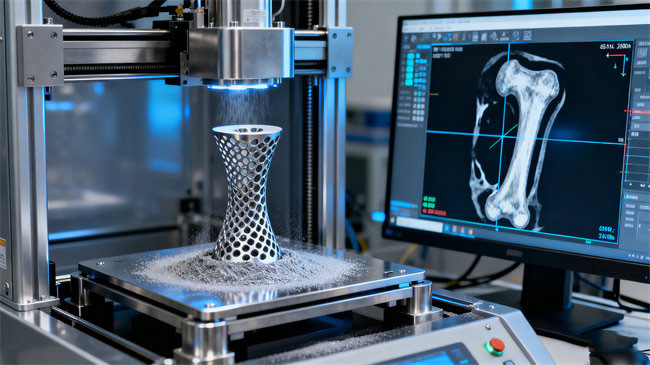
Recent innovations in medical titanium are reshaping implant technology, focusing on improved biocompatibility, durability, and patient recovery. 3D-printed titanium implants, customized to match a patient’s anatomy using CT scans, reduce s……
Titanium in Aerospace: Lightweight Strength Redefining Aviation and Space Exploration
Titanium’s exceptional strength-to-weight ratio has made it indispensable in aerospace, driving fuel efficiency and performance gains. Commercial aircraft, such as the Boeing 787 Dreamliner, use titanium in 15% of their structural component……
Titanium Alloys: Tailoring Properties for High-Performance Applications
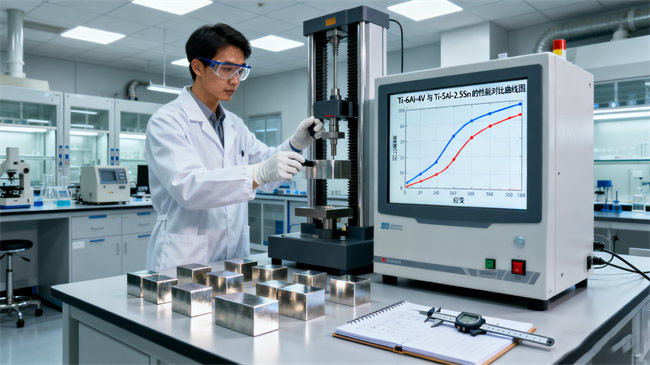
Titanium alloys are engineered to enhance the metal’s inherent strengths, unlocking diverse applications across industries. Ti-6Al-4V, the most widely used alloy, combines 6% aluminum and 4% vanadium to boost tensile strength (up to 1,100 M……
The global titanium industry is experiencing steady growth, driven by soaring demand from aerospace, medical, and industrial sectors. In 2024, the market size exceeded $23 billion, with a projected CAGR of 6.8% through 2030. Titanium’s supp……
Titanium has emerged as a cornerstone material in modern medicine, revolutionizing patient care with its unparalleled biocompatibility and mechanical versatility. Medical-grade titanium, primarily grades 2, 4, and the Ti-6Al-4V alloy, exhibi……
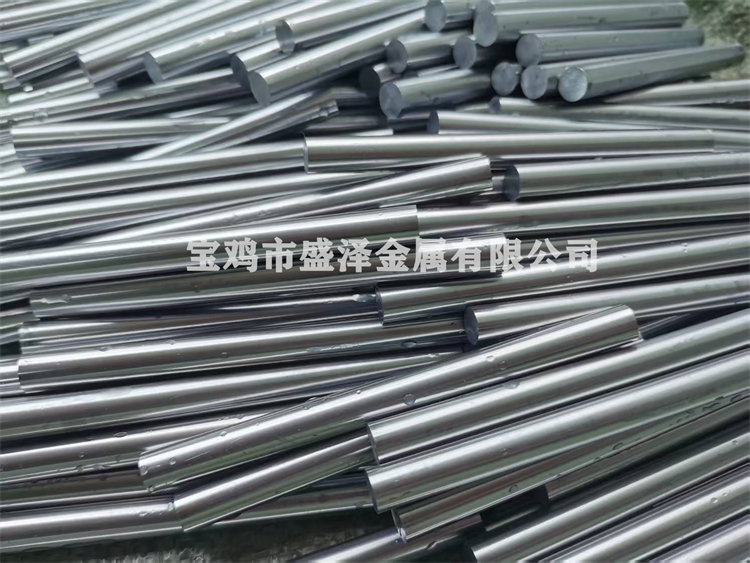
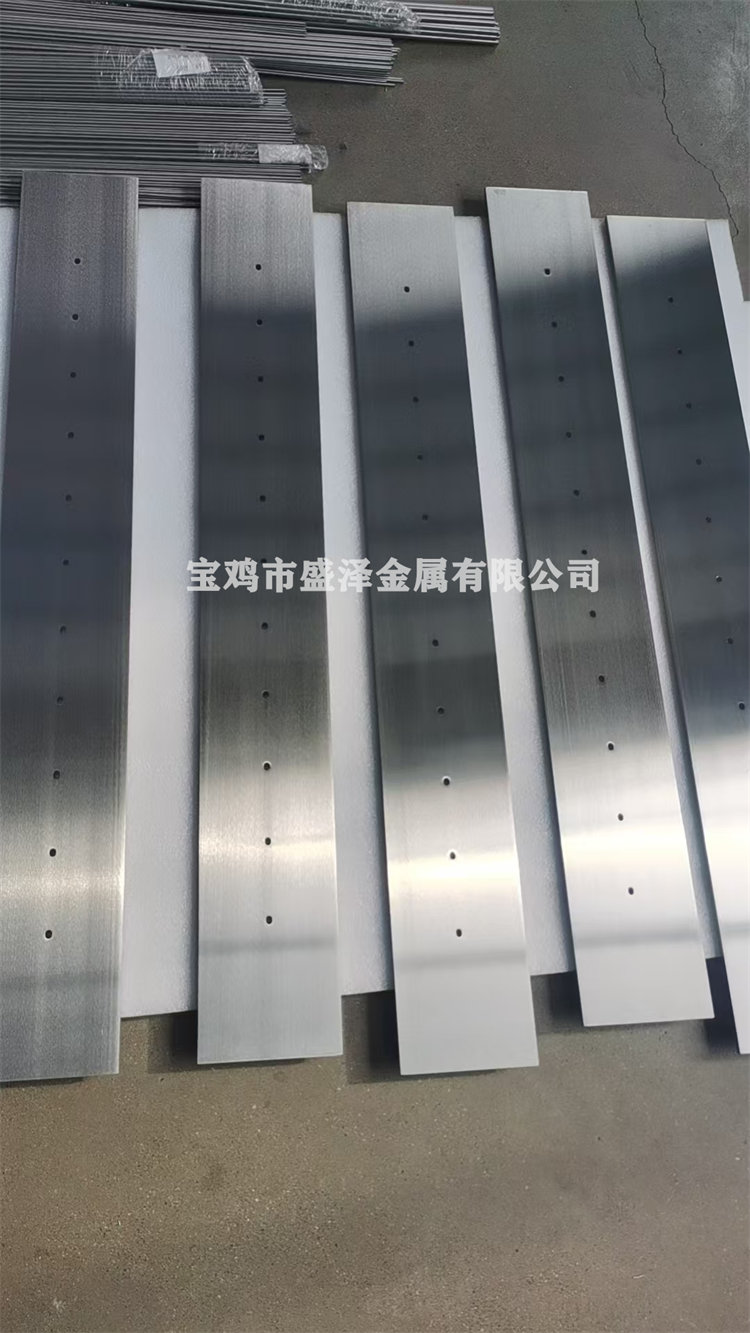
Titanium and titanium alloys have many excellent properties1. High strength. Titanium alloy has high strength, with a tensile strength of 686-1176 MPa, and a density of only about 60% of steel, so its specific strength is very high.2. High h……
Take you to understand the top ten characteristics of titanium metalIn magnetron sputtering process, titanium target is One of the commonly used target materials, titanium target not only has good adhesion, but also can produce various beaut……
Titanium vs. Other Metals: A Comparative Analysis of Performance and Applications
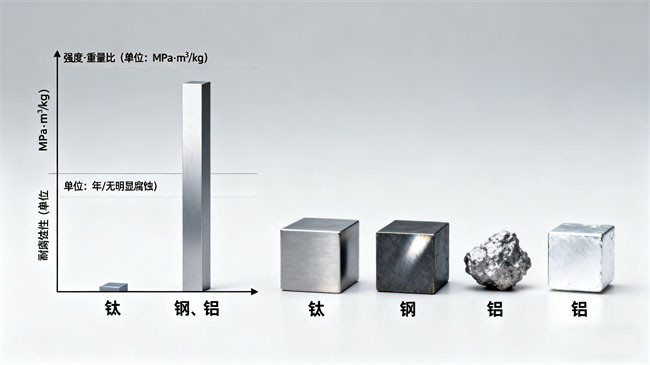
Titanium outperforms traditional metals like steel, aluminum, and stainless steel in key metrics, making it the material of choice for high-demand applications. Compared to steel, titanium offers 40% higher strength-to-weight ratio and super……
Titanium’s Role in Sustainable Energy: Powering a Low-Carbon Future
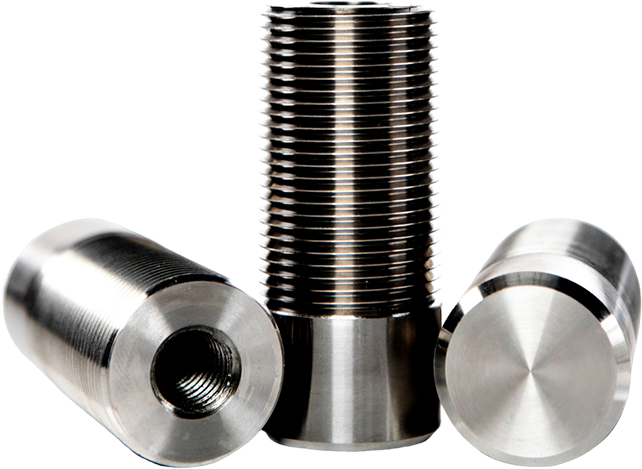
Titanium is emerging as a critical material in sustainable energy systems, enabling the transition to clean power. In wind energy, titanium bolts and fasteners are used in wind turbine blades, withstanding high mechanical stress and corrosiv……
Innovations in Titanium Metal Materials: Expanding Medical Possibilities
Recent advancements in titanium metal materials are pushing the boundaries of medical technology, opening new doors for patient care. Additive manufacturing (3D printing) has revolutionized the production of titanium implants, allowing for c……
In the debate over medical materials, titanium outperforms traditional options like stainless steel and aluminum in nearly every category. While stainless steel is strong, it’s significantly heavier than titanium, increasing patient discomf……
The secret to titanium’s success in medicine lies in its extraordinary biocompatibility, a property rooted in its atomic structure. When exposed to bodily fluids, titanium forms a thin, stable oxide layer that acts as a barrier between the ……
When it comes to orthopedic procedures—from hip replacements to spinal fusion—medical titanium stands unrivaled. Surgeons and patients alike rely on its ability to mimic the strength of natural bone while remaining lightweight, ensuring op……
Titanium has emerged as a cornerstone of medical innovation, blending exceptional strength with biocompatibility that few materials can match. Unlike traditional metals, titanium interacts seamlessly with human tissue, resisting corrosion an……
The Future of Titanium: Emerging Applications and Technological Breakthroughs
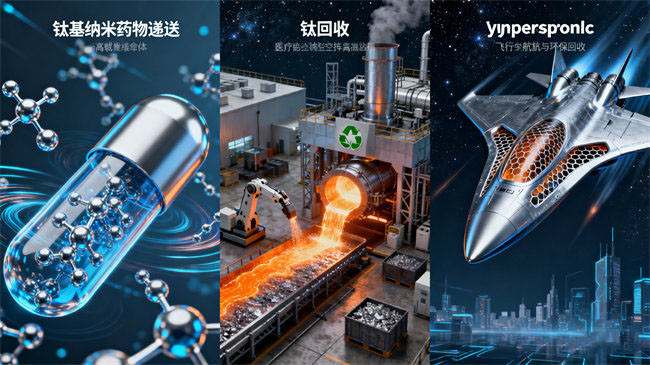
The titanium industry is poised for transformative growth, driven by emerging applications and technological innovations. In biomedicine, researchers are developing titanium-based nanomaterials for targeted drug delivery and tissue engineeri……
Titanium in Consumer Products: Luxury, Durability, and Innovation
Beyond industrial and medical uses, titanium has gained popularity in consumer products, blending luxury, durability, and functionality. In watchmaking, brands like Rolex and Omega use titanium cases and bracelets for their lightweight feel ……
Titanium Processing Technologies: From Ore to High-Precision Components
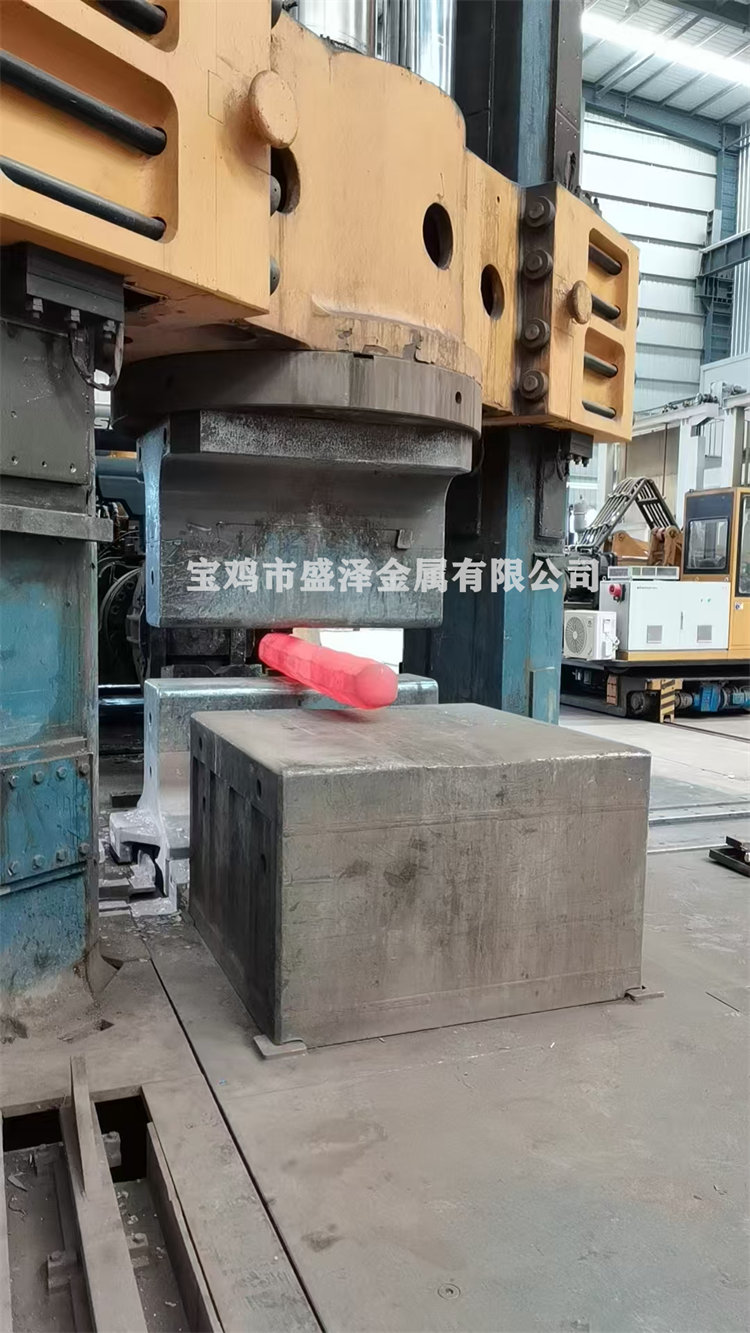
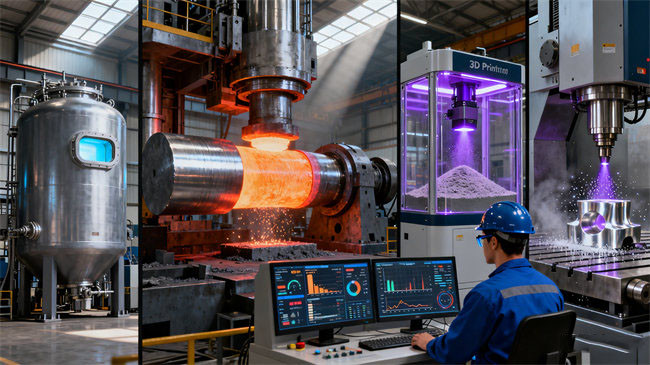
Titanium processing involves a series of complex steps, each critical to unlocking the metal’s unique properties. Ore extraction begins with mining ilmenite or rutile, which are then processed into titanium dioxide (TiO₂) via the sulfate o……
While titanium’s medical applications are widely celebrated, its influence extends far beyond healthcare, shaping industries from aerospace to electronics. In aerospace, titanium’s lightweight strength makes it essential for aircraft compo……
The future of medical titanium is marked by exciting trends that promise to further revolutionize healthcare. Researchers are exploring the use of titanium in biodegradable implants, which dissolve naturally in the body after healing, elimin……
Beyond its medical benefits, titanium offers significant environmental and ethical advantages in manufacturing. Titanium is highly recyclable—nearly 100% of scrap titanium can be reused, reducing waste and minimizing the environmental impac……
While pure titanium offers exceptional biocompatibility, titanium alloys—blended with elements like aluminum, vanadium, or niobium—are engineered to meet the unique demands of specialized medical procedures. Ti-6Al-4V, the most common medi……
· Product ·
· About Us ·
· News ·
· Links ·