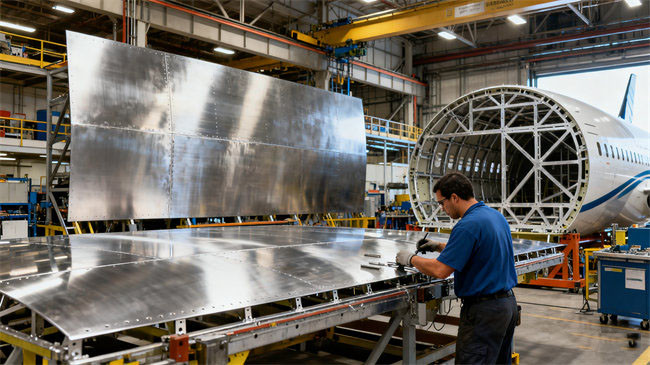
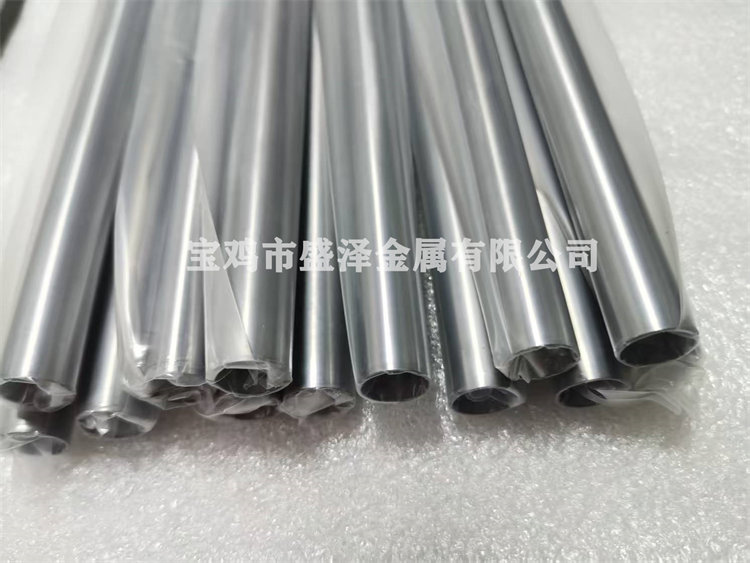
Titanium’s exceptional strength-to-weight ratio has made it indispensable in aerospace, driving fuel efficiency and performance gains. Commercial aircraft, such as the Boeing 787 Dreamliner, use titanium in 15% of their structural components, including fuselage panels, engine nacelles, and landing gear, reducing overall weight by 10-15% compared to aluminum designs. This translates to 20% lower fuel consumption and reduced carbon emissions. In military aviation, the F-35 Lightning II relies on Ti-6Al-4V and Ti-5-5-5-3 alloys for its stealth airframe and engine parts, balancing durability with radar-absorbing properties. Space exploration benefits from titanium’s resistance to extreme temperatures: NASA’s Space Launch System (SLS) uses titanium tubing for fuel lines, while the Mars rovers’ chassis components leverage the metal’s ability to withstand thermal cycling between -150°C and 20°C. Advanced manufacturing techniques, such as electron beam melting (EBM), enable the production of complex titanium parts with minimal waste, further lowering aerospace production costs. As the industry pursues supersonic flight and long-duration space missions, titanium’s role as a high-performance material will only grow.
【End】



 location: