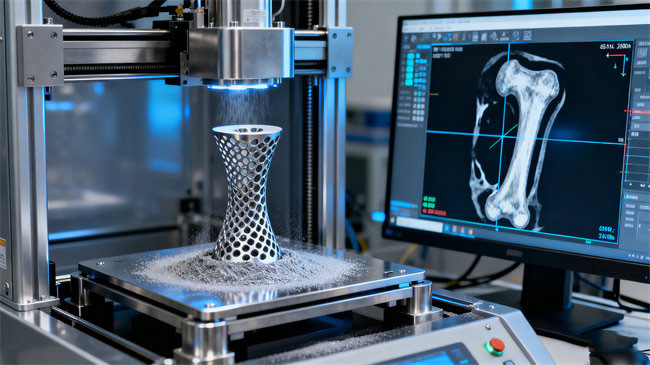
Recent innovations in medical titanium are reshaping implant technology, focusing on improved biocompatibility, durability, and patient recovery. 3D-printed titanium implants, customized to match a patient’s anatomy using CT scans, reduce surgical time and enhance fit—for example, porous titanium femoral stems that mimic bone structure, accelerating osseointegration. Surface modifications, such as plasma spraying with hydroxyapatite (HA) or laser texturing, create microtopographies that promote cell adhesion, reducing implant loosening rates. Drug-eluting titanium implants, coated with antibiotics or growth factors, target infection prevention and tissue regeneration, particularly in spinal fusion and joint replacement procedures. Resorbable titanium alloys, a emerging area, are designed to gradually degrade in the body after tissue healing, eliminating the need for revision surgery. For example, Ti-Mo-Zr-Fe alloys break down into non-toxic ions, which are metabolized and excreted. These advancements, combined with titanium’s inherent biocompatibility, are driving a shift toward personalized, minimally invasive healthcare solutions.
【End】



 location: