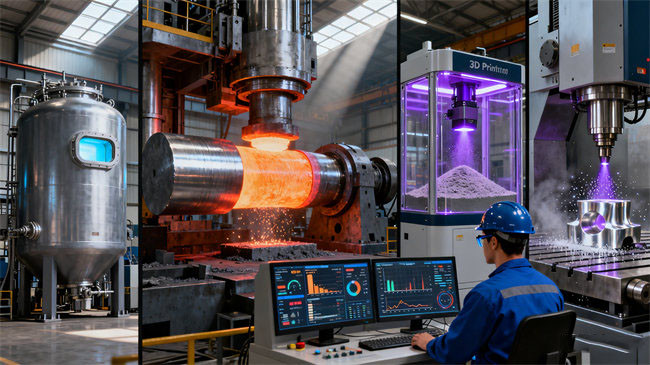
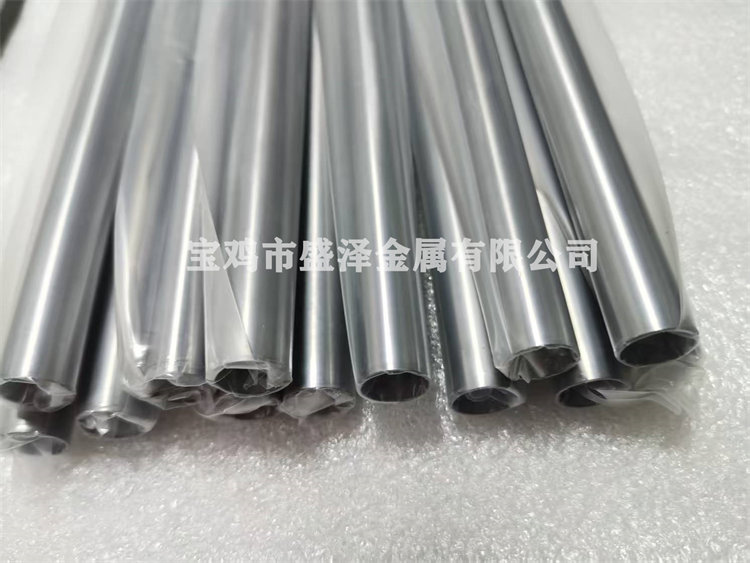
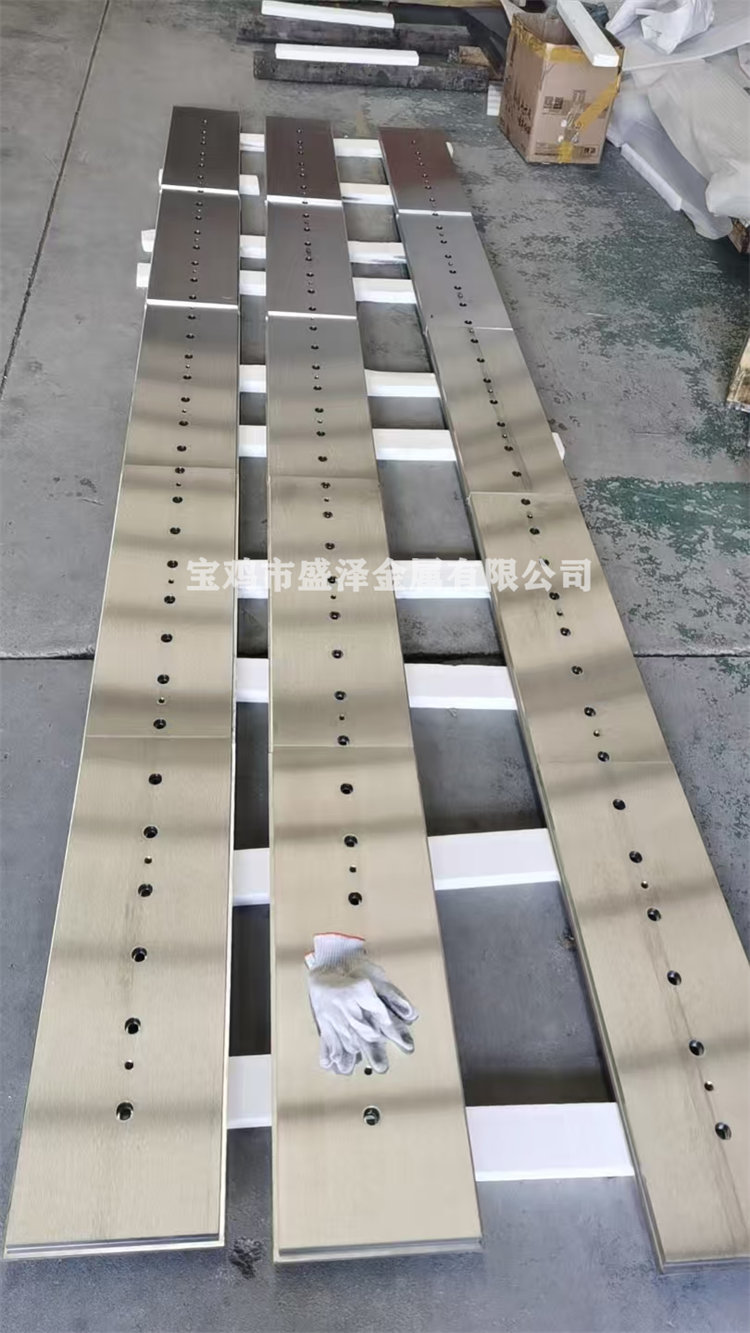
Titanium processing involves a series of complex steps, each critical to unlocking the metal’s unique properties. Ore extraction begins with mining ilmenite or rutile, which are then processed into titanium dioxide (TiO₂) via the sulfate or chloride process. The Kroll process, the primary method for producing titanium sponge, reduces TiO₂ with magnesium in a sealed reactor, yielding porous sponge that is melted into ingots using vacuum arc remelting (VAR) or electron beam melting (EBM) to ensure purity. Downstream processing includes forging, rolling, and extrusion to form mill products like sheets, bars, and tubes. Additive manufacturing (AM) has revolutionized titanium component production, enabling the creation of complex geometries with minimal waste—EBM and selective laser melting (SLM) are the most common AM techniques for titanium, used in aerospace and medical implants. Surface finishing processes, such as anodizing, passivation, and plasma spraying, enhance corrosion resistance and biocompatibility. Quality control is paramount: non-destructive testing (NDT) methods like ultrasonic testing and X-ray inspection detect defects in critical components, ensuring compliance with industry standards (e.g., ASTM F136 for medical titanium).
【End】



 location: